

2026 Top Lesbian Movies: GagaOOLala's 20 Must-Watch Picks So Far
Love knows no gender, but stories about women loving women have a language of their own: tender, fierce, and deeply intimate.
Here are the 20 most-watched lesbian titles on GagaOOLala in the first half of 2026, spanning a Golden Bell Award-winning Taiwanese TV movie, Korean arthouse films recognized at Busan and Berlin, bite-sized shorts, and feature-length stories that make your heart skip a beat and still wish would never end. Together, they show just how many forms these stories can take.
Watch Now on GagaOOLala! |
• To the X Who Hated Me — E-Jae & Woori • To the X Who Hated Me — Yoon Oh & Jane • Hotel • Shibari • S.O.S • Adan • Ashamed |
What's In My Bag
South Korea | 2022

At just twelve minutes, What’s In My Bag turns an ordinary setup into a quietly charming story of an unspoken crush. As two girls look through the contents of a bag, the distance between them gradually disappears, capturing the uncertainty of liking someone without knowing how to say it aloud.
As the most-viewed lesbian short film on GagaOOLala, its appeal lies partly in how much it achieves with so little. Nothing dramatic needs to happen for the hesitation and excitement of an unspoken “I like you” to feel instantly familiar, while its short runtime makes it too easy to watch again.
Girlfriend Project Day 1
South Korea | 2022
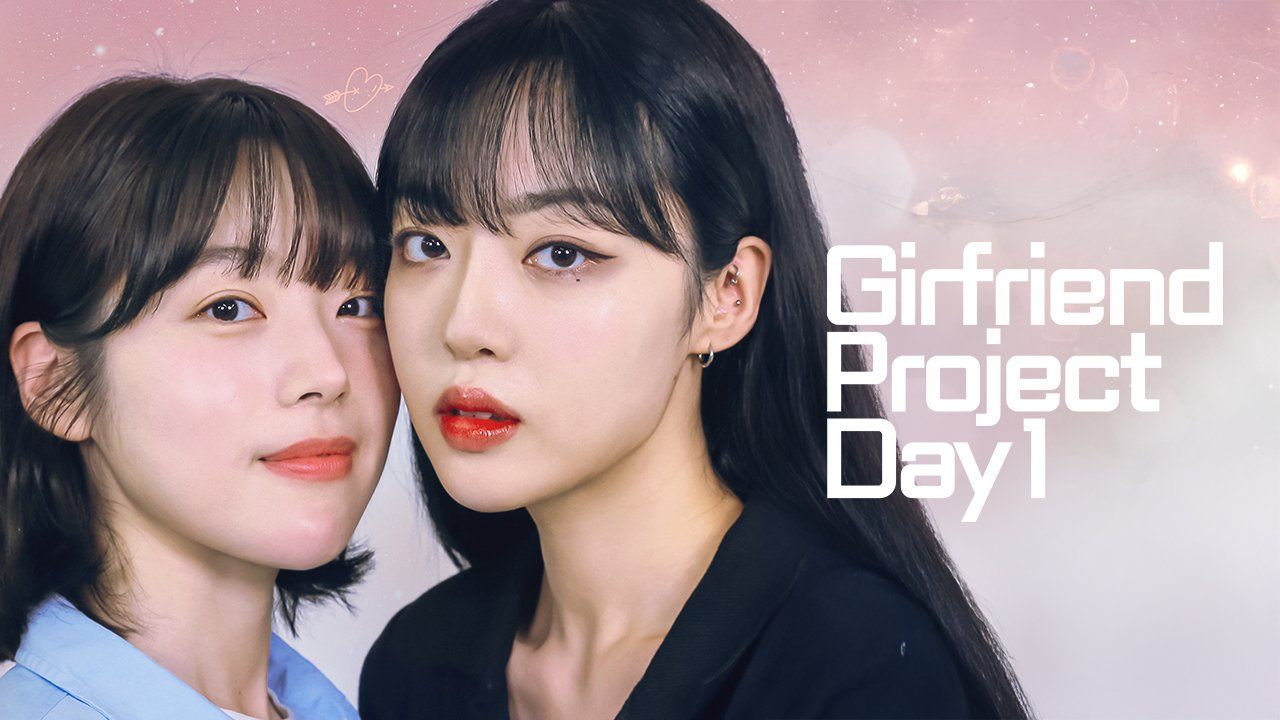
“We’re dating—from today.” This short film captures that heart-skipping moment when friendship begins to turn into something more. Over twenty-seven minutes, two girls quietly cross that boundary. Rather than relying on melodrama, the film lets their relationship develop naturally, building anticipation as they gradually grow closer.
The sense of finally seeing the two girls get together is so genuine that it is hard not to smile along with them. With emotional subtlety and easy-going charm, the film also makes an inviting introduction to GL for first-time viewers.
To the X Who Hated Me — E-Jae & Woori
South Korea | 2024

Influencers E-Jae and Woori appear to be the sweet couple that makes fans scream whenever they are on camera. But once the cameras are off, cracks begin to appear in their relationship. This short film takes a distinctly contemporary angle, exploring what happens when the relationship presented on social media begins to drift apart from the one that exists off camera.
In twenty-one minutes, it precisely captures the exhaustion and loneliness hidden inside a relationship that is constantly being performed for others. The film invites viewers to reconsider what it means to “perform for other people” within a relationship, with some finding it so familiar that it becomes almost uncomfortable to watch. That is exactly what makes this series so powerful: it takes a story you may think has nothing to do with you, only to make you recognize something of yourself within it.
To the X Who Hated Me — Yoon Oh & Jane
South Korea | 2024

Set in the same *To the X Who Hated Me* universe, this time the protagonists are ex-lovers Yoon Oh and Jane, who have already broken up but meet again on a reality show. The premise of “having to pretend everything is fine in front of the cameras after breaking up” is suffocating enough on its own. The short film turns the old feelings running beneath their forced interactions into something that leaves viewers collectively holding their breath. Viewers say, “It’s only twenty minutes, but it broke me more than many hundred-minute movies.”
Much of the discussion around the film has focused on its portrayal of two people after a breakup, especially the subtle feeling of knowing it’s already over while still caring about how the other person sees you. The contrast between the two episodes has also encouraged many viewers to watch them back-to-back. The tones are completely different, yet both feel painfully real.
Hotel
Argentina | 2022

A hotel. Two women. One room. This Argentinian short film brings desire and emotion into the same frame with a sensual intensity that is direct and unrestrained, yet never loses its sense of intimacy. Critics have described it as “the shortest poem of the body,” an apt reflection of how much the film conveys through its visual language alone.
The undisguised intensity has also made Hotel stand out to GagaOOLala viewers accustomed to the more restrained storytelling often found in Korean, Taiwanese, or Japanese GL films. For some, its openness feels liberating, offering a striking reminder of how differently lesbian love and desire can be expressed across cultures.
Shall We Dance
Taiwan | 2019

A dance track and the feelings two girls cannot say aloud. This short film takes a gentle approach to emotions that carry far more weight than they first appear to. Dance is more than movement here. It becomes their unspoken language as they move closer, touch, and pull away. Every step feels like practice for a confession. As one viewer put it: “I love this feeling, but I can’t quite explain what I love about it.”
Perhaps that is exactly what makes the film so moving: so much of what the two girls feel is expressed without ever being put into words. As a GagaOOLala original production, the short film also reflects the platform’s commitment to bringing local Taiwanese lesbian stories to the screen, offering local audiences a sense of recognition and the warmth of seeing their experiences represented.
Words To Say
South Korea | 2023
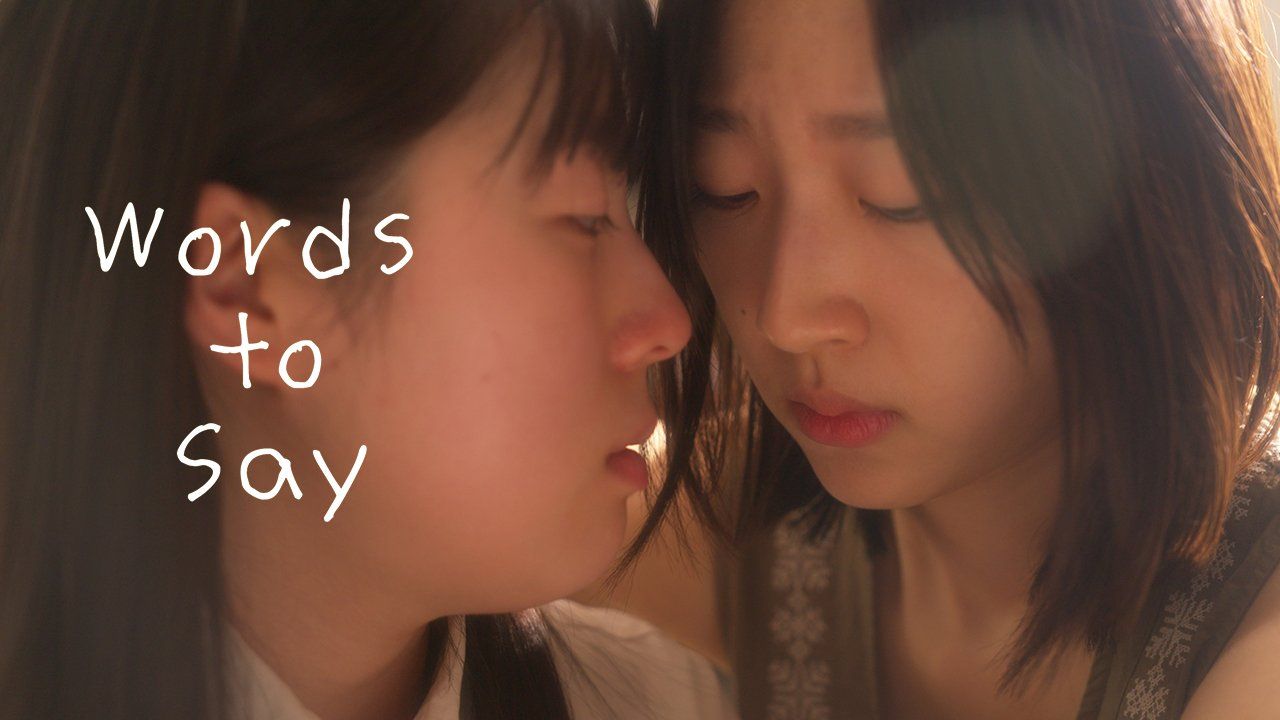
Sometimes the things we most want to say are the hardest to express to the people closest to us. This short film takes on a familiar dilemma: having so much to say, yet being completely unable to find the words when standing in front of the person who matters most. In fifteen minutes, it captures that feeling of having words “stuck in your throat” with heartbreaking precision. Every shifting glance feels like another failed attempt, another excuse to say it next time.
The film has been widely shared across social media and is especially popular among Korean lesbian viewers, many of whom have found something deeply familiar in its portrayal of unspoken feelings. As one viewer put it, “It said the sentence I was never able to say myself.” Through its quiet, female perspective, Words to Say turns fifteen minutes of hesitation and silence into an emotional outlet for countless viewers.
A Room of One's Own
South Korea | 2023
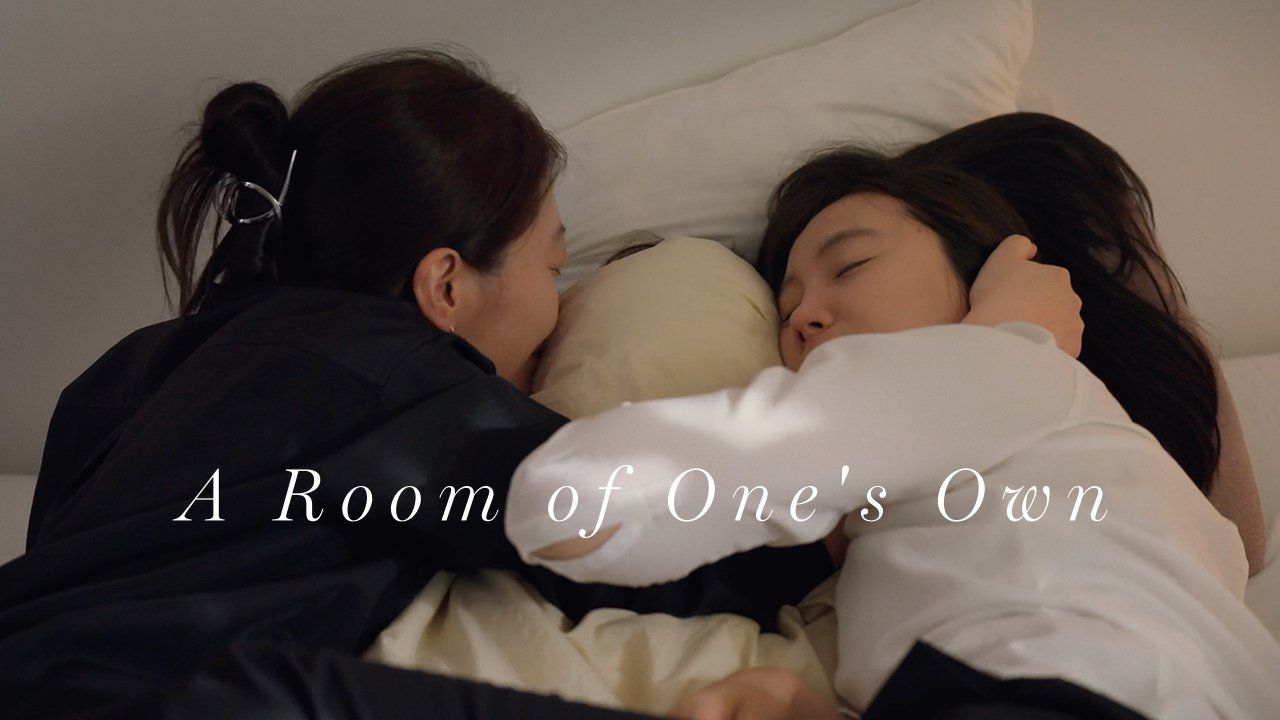
The title directly references Virginia Woolf’s classic feminist text, bringing the idea that “a room of one’s own” into a lesbian context. Over eleven minutes, a girl sits in a room that belongs entirely to her and, for the first time, truly faces who she is. That room becomes more than a physical space; it offers her the privacy to face her own identity and desires.
Quiet yet powerful, the short film has resonated with viewers through its deeply personal portrayal of self-discovery. As one viewer put it, “After watching it, I sat there for a long time because I remembered the afternoon when I first realized I liked girls.” It is that sense of recognition that allows A Room of One’s Own to touch on memories that can be both deeply private and deeply familiar to lesbian viewers.
Stepping Stones
South Korea | 2024
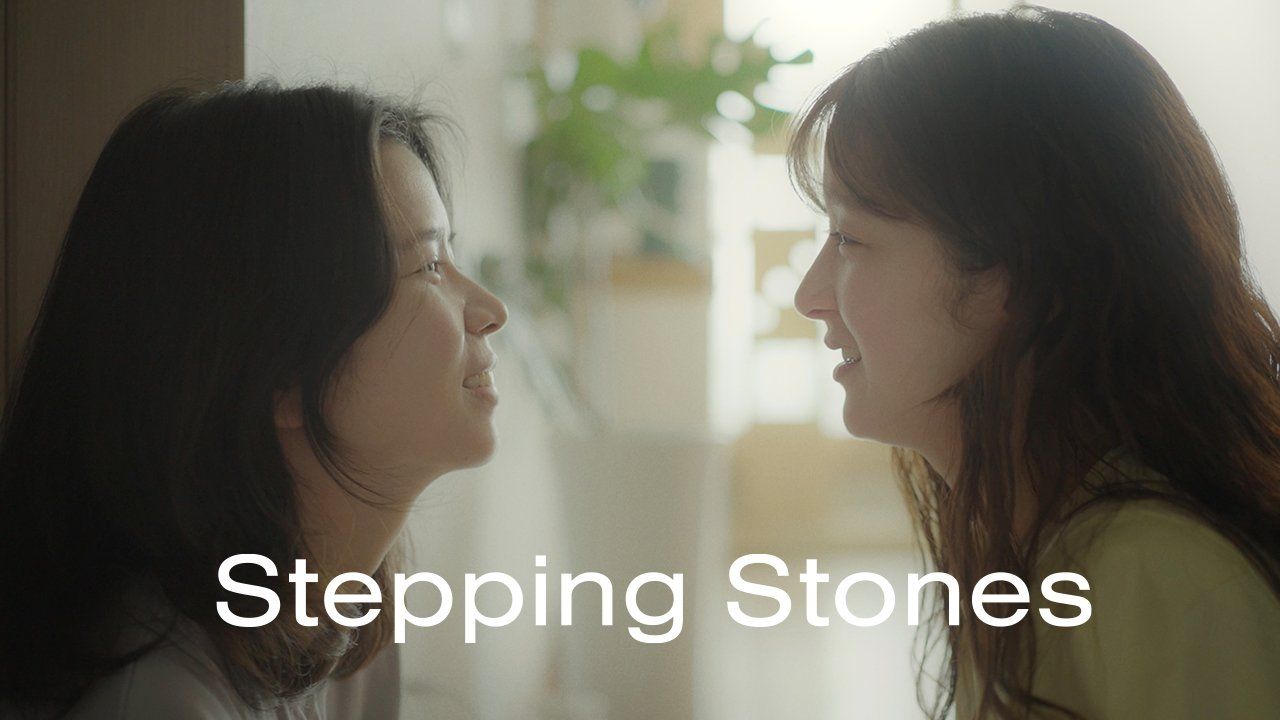
Being unable to say goodbye does not necessarily mean you cannot let go. Sometimes it means you are not even sure whether you truly want things to end. In fourteen minutes, the film captures with remarkable precision the feeling of knowing you should leave but continuing to stay. There are no explosive arguments, only the indescribable silences and tentative gestures between two people, making the emotional tension even more painful than tears.
That lingering silence has resonated with viewers who recognize pieces of their own relationships in the film. Rather than bringing to mind something they are going through now, it often recalls relationships that ended without anything ever being fully explained. The story unfolds in just fourteen minutes, but the regret it leaves behind takes much longer to process.
Almost Lover
South Korea | 2026

“Almost” may be the most heartbreaking word in love. This new 2026 short film expands that moment of “almost becoming a couple” into twenty minutes, with two girls hovering at the threshold between friendship and something more. Every step closer feels like a decision, while every step back makes the possibility of what could have been hurt a little more. Since its release, the film has quickly drawn attention among lesbian audiences.
“That ‘almost’ stays with you longer than actually being together.” Many viewers say the short reminded them of someone in their lives who remained forever an “almost”: a relationship that came close enough to feel real, but never quite became one.
As one of the newest lesbian short films of the first half of 2026, Almost Lover has already become a standout among the titles on this list.
Shibari
France × Japan | 2018

French arthouse aesthetics meet the Japanese art of rope bondage in this short film, which uses Shibari as a physical language to explore trust, vulnerability, and intimacy between two women. Rather than focusing on sensuality alone, the film examines what it means to place yourself in another person’s hands, turning the temporary surrender of control into an expression of trust and connection.
Critics have called it “the most elegant expression of the body.” The film moves beyond sensuality to fully portray the connection between physical trust and emotional intimacy. Some viewers say the film completely changed the way they understand “intimacy.” Poetic rather than overwhelming, every movement carries weight, and every glance becomes a form of reassurance. Within GagaOOLala’s adult-rated lesbian selection, Shibari continues to draw viewers back through its distinctive artistry.
S.O.S
South Korea | 2015
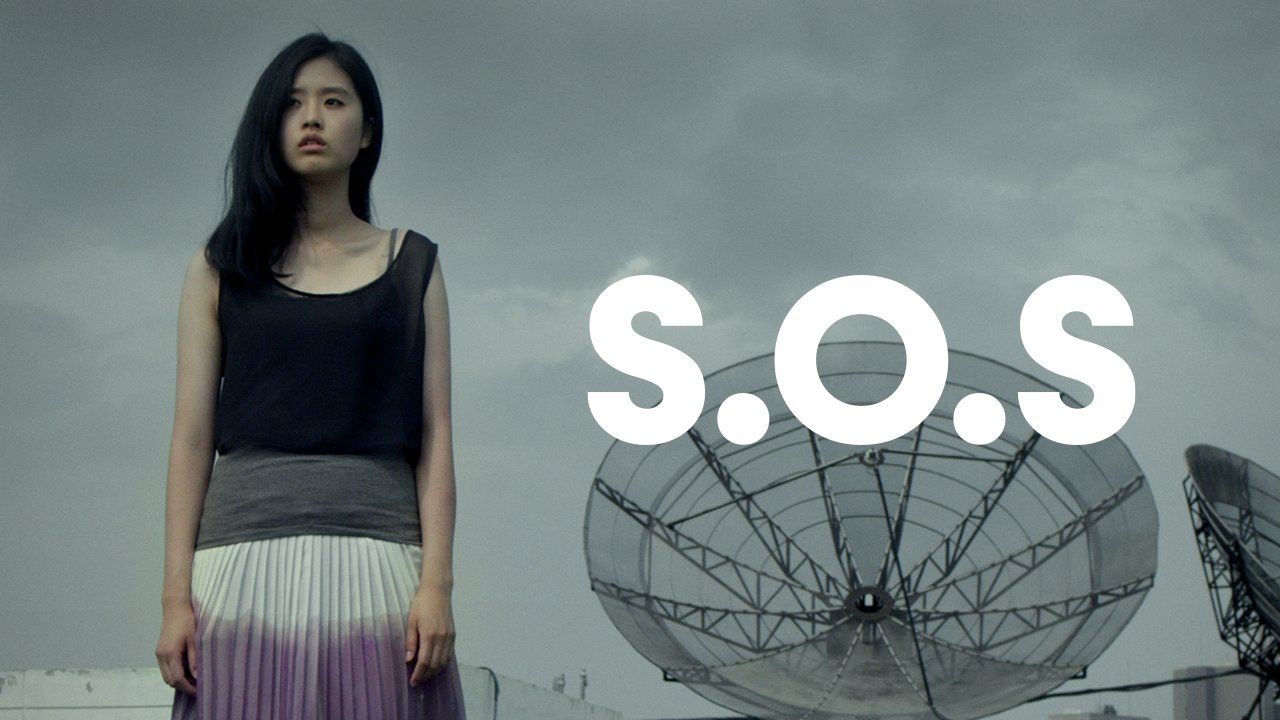
She has a boyfriend, but the person she truly likes is a woman. There is no standard answer to this dilemma, and the short film does not attempt to offer one.
Instead, it honestly portrays the feeling of being caught between what is expected of you and what you actually feel. Should you stay or be honest? Be fair to yourself, or to someone else? In just thirty-three minutes, S.O.S captures the pain of realizing what you think you “should” feel may be very different from what is actually true.
Although it was made in 2015, S.O.S still ranks among GagaOOLala’s popular titles in 2026, showing how strongly its themes continue to resonate with people who have faced, or are still facing, the same dilemma.
Many viewers say they first encountered the film before coming out. “It was the first time I felt like someone understood how I felt.” Perhaps that is one of the most meaningful things a film can do: remain relevant across time and be there when someone needs to find a story that understands them.
Adan
Philippines | 2023

Set against the conservative influence of Catholic culture in the Philippines, Adan confronts the tension between faith and lesbian desire. Ellen and Marian find themselves caught between what they have been taught to believe and what they feel for each other, with the metaphor of the “forbidden fruit” running through their search for identity and self-acceptance. Critics have noted that the impact of Adan comes not only from its presentation of desire, but also from its exploration of religion, the body, and self-identity.
As a Filipino lesbian film that brings these experiences to an international audience, Adan has resonated particularly strongly with Southeast Asian lesbian viewers familiar with the conflict between faith and selfhood. More than an erotic film, it explores how desire, belief, and identity can become entangled when love comes into conflict with the values a person has grown up with.
Ashamed
South Korea | 2010

Three women named Ji-woo. Two encounters that feel destined. One love story that must be told before it can be understood. Art professor Jung Ji-woo travels to the seaside for a photo shoot with nude model Yoon Ji-woo and student Hee-jin. While waiting for a storm to pass, Yoon Ji-woo begins telling them about something that happened two years earlier: how she met another woman named Ji-woo, the free-spirited pickpocket Kang Ji-woo, and how a pair of handcuffs unexpectedly brought them together, leading to an unconventional yet deeply felt relationship.
Moving between the present and the past of these three women, the film captures the complex and often difficult-to-articulate emotional connections between women. Ashamed remains one of the most frequently discussed works in Korean lesbian cinema. After premiering at Busan and screening in Berlin, the film went on to earn lasting recognition within discussions of lesbian representation in Asian cinema.
A critic from The Hollywood Reporter described it as “an arty meditation on the nature of love and female relationships told through expressionist art and the female body.” The film has also circulated for years within Taiwan’s lesbian community, with discussions appearing across lesbian forums and online communities. More than a decade later, it continues to fascinate a new generation of viewers while remaining an enduring title in GagaOOLala’s lesbian film selection.
West North West
Japan | 2015

Hokkaido. Vast stretches of white landscape. A subtle and complicated triangle between three women. A is deeply in love with B. B has feelings for C. C keeps everyone at a distance. The film approaches this setup with remarkable restraint, relying on very little dialogue to reveal what lies between them.
Feelings are rarely expressed through words. Instead, they emerge through lingering glances and the choices each character makes after a silence. That sense of “nothing being said, yet everything being understood” is one of the most captivating qualities. Viewers say, “While I was watching it, I thought nothing was happening. When it ended, I realized everything had already happened.”
The emotional aftereffects can linger long after the film ends. West North West has built a strong reputation among fans of Asian lesbian cinema and is often recommended as a must-watch Japanese GL films. Its restrained approach to love also makes it especially rewarding to revisit, with new details revealing themselves on each viewing.
Fake Buddies
South Korea | 2024

“Pretending to be just friends” is one of the most familiar situations for many lesbian viewers. This Korean mid-length film captures the frustration of clearly being more than friends while still having to pretend that nothing is happening in front of other people. The awkwardness, humor, and heartbreak of that situation make it instantly relatable.
In front of others, they are ordinary friends. Only when they are alone together can they truly be themselves. Where is that line drawn, and how long can they keep pretending? The tension forms the emotional core of the film, with its painfully familiar moments leaving some viewers needing time to sit with what they have just watched.
For some, Fake Buddies brings back memories of a relationship in which they also had to “pretend to be friends”: the unspoken understanding neither person could acknowledge, along with the frustration neither could express. At forty-four minutes, the film has more room to develop its emotions than a short while remaining tighter than a feature, making it easy to watch in one sitting but much harder to stop thinking about afterward.
Book of Bayes
Taiwan | 2023
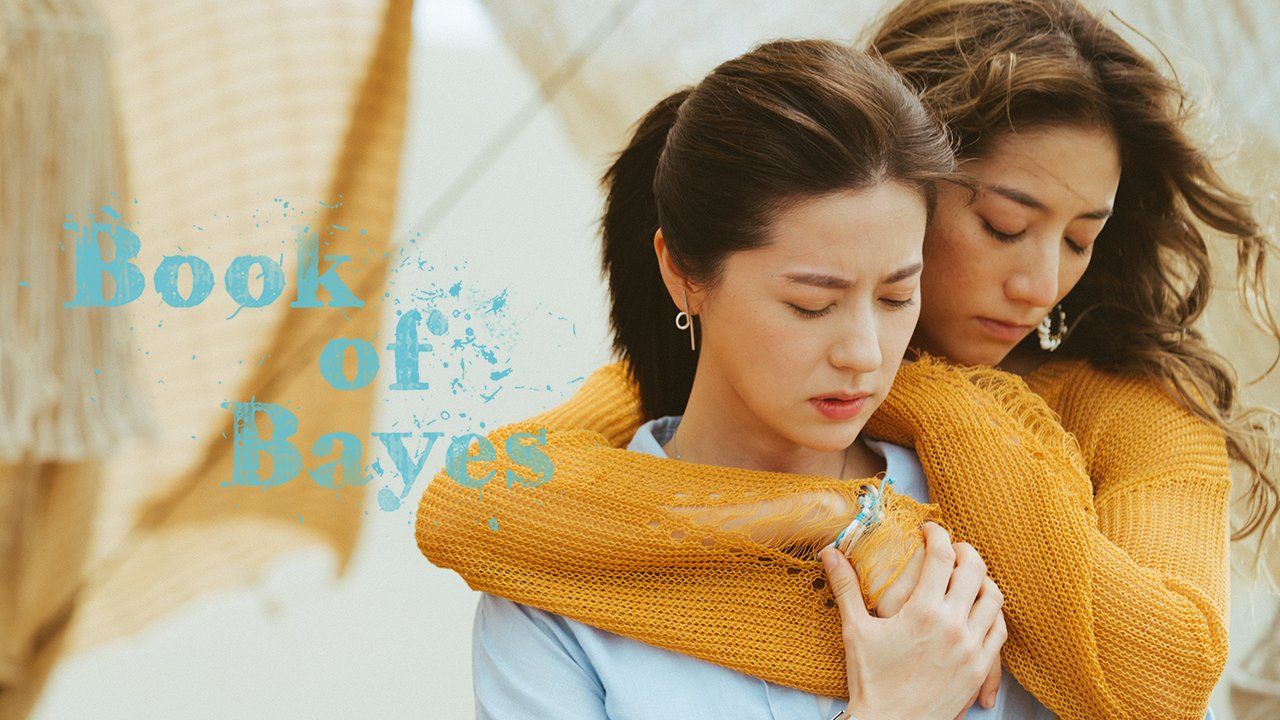
The final installment of PTS’s On Marriage follows Jie and Hsuan, a lesbian couple who have been married for years, sharing both the routines of everyday life and a promise they once made to grow old together. But when Jie falls in love with someone else, she finds herself caught between a new love that feels destined and the commitment she has already made.
Set in a future where big data can statistically predict matters of the heart, the film adds a philosophical dimension to its marital crisis through questions of destiny and free will. An all-female production team brings a perspective grounded in women’s experiences to the emotional complexities of marriage without taking sides. The pairing of Yu Shi Lin and Chen Ling Wen generated excitement even before the premiere, but the marital crisis at the heart of the film explores the tension between the familiarity of married life and the possibility of finding a soulmate elsewhere.
One critic commented: “The drama does not focus on the formation of a lesbian family, but truly returns to humanity and the struggle at the heart of love itself.” The film ranked highly on multiple platforms, including friDay Video and Netflix, while its painfully realistic portrayal of intimate relationships has led viewers to reflect on their own roles within them. Book of Bayes has become a notable work in contemporary Taiwanese lesbian film and television.
When I Sleep
South Korea | 2022
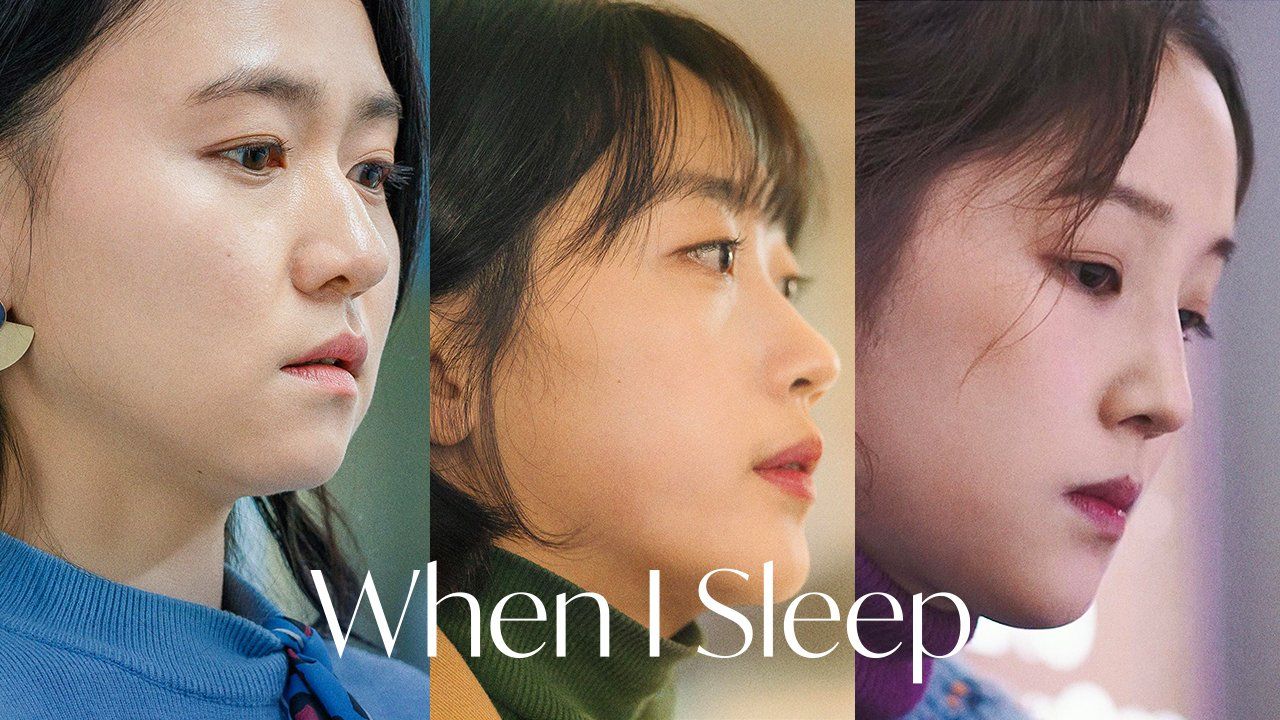
Two women who cannot sleep find each other at the edge of the night. One has long struggled with insomnia; the other is also no stranger to sleepless nights. Without planning it, they begin forming an unexpected companionship, simply because someone happens to be there when they are at their most vulnerable. Using sleep as a metaphor, the film explores how two women grow closer when their defenses are down, gradually learning to trust and allowing themselves to take the risk of loving someone again.
The nighttime lighting, the sound of their breathing, and everything spoken and left unsaid are captured with extraordinary tenderness. Its portrayal of late-night loneliness and the comfort of finding someone who understands has made many viewers feel deeply seen, with some describing the experience of watching the film as being gently embraced. As one viewer put it, “Not a tight hug, just a gentle one, but very warm.”
That quiet warmth has resonated strongly with lesbian viewers in both South Korea and Taiwan. When I Sleep is one of the most emotionally restrained titles on this list, yet also one of the hardest to forget.
Crown Shyness
Taiwan | 2025
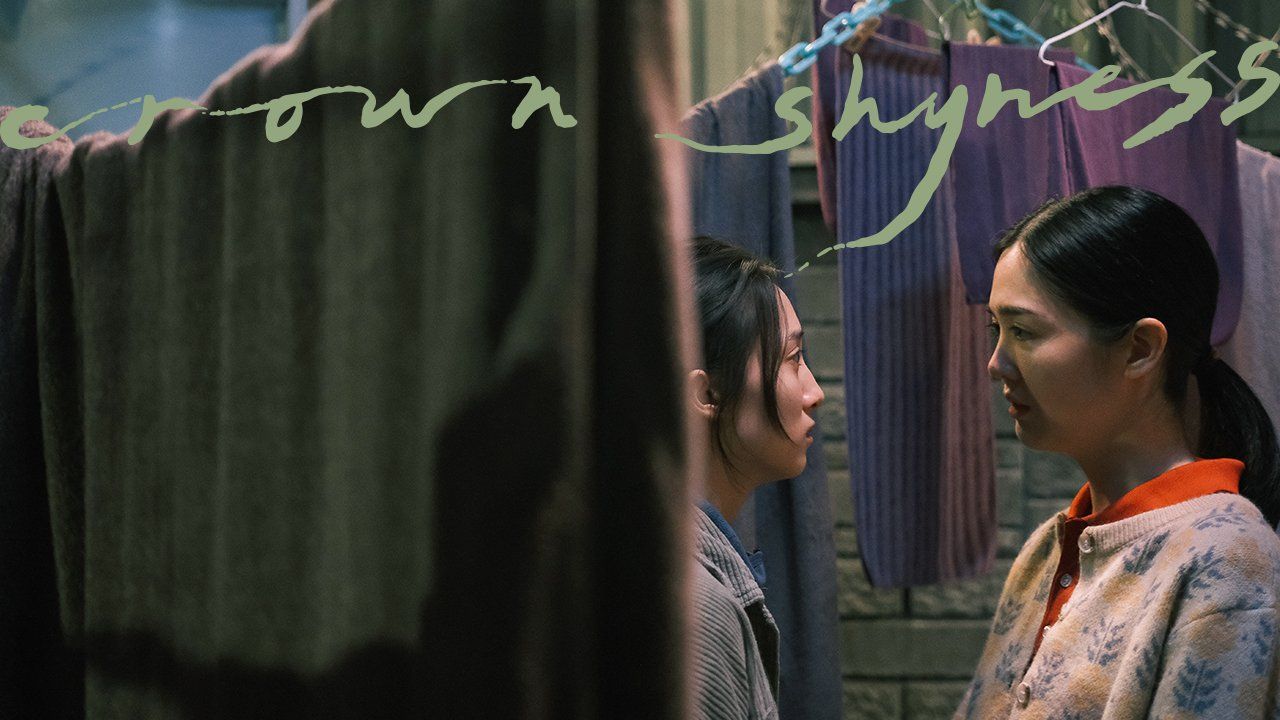
“Crown shyness” is a real botanical phenomenon in which the crowns of certain trees leave narrow gaps between them even when they grow closer together. Director Chang Chun-yu takes this natural phenomenon as a starting point to ask a question: do people, especially family members, also need space between them? After Nian’s mother dies, her strong-willed, traditional grandmother suddenly moves in, disrupting the life Nian shares with her Thai girlfriend, Zai-zai.
Her grandmother’s arrival forces Nian to confront the coming-out conversation she has long avoided. But her grandmother’s reaction turns out to be far more complicated, and far more human, than Nian expected.
The Golden Bell Awards jury commented, “Emotions between family members can so easily lead to conflict, yet people also distance themselves so easily in order to avoid hurting one another. The characters and emotions feel real, and the ending is warm and hopeful.” Director Chang Chun-yu has also spoken about deliberately preserving the grandmother’s complexity, making her neither a simple antagonist nor an unrealistically progressive elder who accepts everything immediately.
That complexity allows the film to leave room for reactions that are less predictable than Nian expects. Thai actress Varita Udomvorakulchai was also nominated for the Golden Bell Award for Best Newcomer for her performance as Zai-zai.
Having taught herself Mandarin out of a love for Taiwanese idol dramas, Varita eventually found herself appearing on one of Taiwan’s most prominent film and television stages. Her own journey adds another layer to the film’s cross-border story, which has also resonated with lesbian viewers across Southeast Asia.
No Heaven, But Love
South Korea | 2023

Heaven may not let them in, but they still choose to love each other. The film directly confronts the tension between religious faith and lesbian love. Raised in a conservative Christian environment, the two women take different paths: one holds tightly to her faith while the other tries to escape it, yet they find an unexpected refuge in each other.
The film does not shy away from contradiction, nor does it try to offer an easy answer. Faith remains a weight they carry, while their love becomes a source of strength within that struggle. The emotional conflict has moved many viewers to tears, but there is also something quietly empowering in watching the two women continue to choose each other despite everything they have been taught to believe.
The film has resonated particularly deeply among Christian lesbian viewers in South Korea. One of the many comments reads, “It said something I had never dared to think.” Through its honest portrayal of the conflict between faith and sexuality, No Heaven, But Love has found a meaningful place in conversations around lesbian cinema.
These 20 titles come from Taiwan, South Korea, Japan, the Philippines, Argentina, and beyond, but they all share one thing: they choose to tell stories about women loving women, and they do so without compromise.
More than a watchlist, these 20 films offer a snapshot of the stories GagaOOLala viewers returned to most during the first half of 2026, and of the many ways women-loving-women stories continue to resonate across cultures.
👉Subscribe to GagaOOLala now and unlock more amazing BL content!