

✍️ The Most Distinctive Auteur in Asian Queer Cinema: Scud Cheng
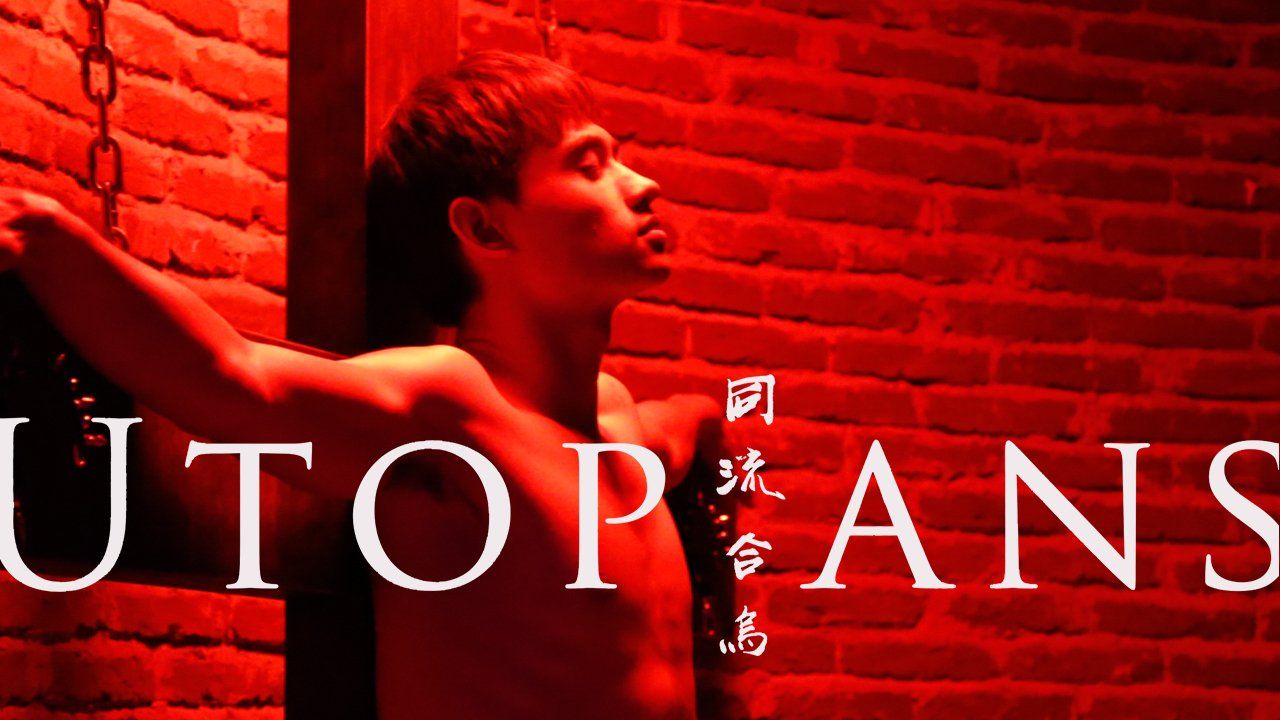
Between nudity and the soul, Scud dissects himself on screen, and asks life’s hardest questions through desire.
Among Asia’s queer filmmakers, Scud Cheng stands apart — not just as a provocateur, but as a cinematic auteur in the truest sense of the word.
He doesn’t just make queer stories; he makes films that autobiograph his pain, his longing, his spiritual dilemmas, and his mortality.
Scud isn’t interested in feel-good coming-out tales or formulaic romances.
His cinema is about what it means to exist as a gay man who loves, suffers, doubts, and keeps choosing to feel — even when it hurts.
🎬 What Does It Mean to Be an “Auteur” Director?
The auteur theory posits that a director is the true “author” of a film — that their style, obsessions, and worldview are visible across their entire body of work.
Scud is arguably the most consistent auteur in Asian queer cinema.
Not because of commercial success, but because every film he makes is an act of personal exorcism.
He doesn’t just direct. He confesses.
🧩 Five Defining Traits of Scud’s Auteur Identity
1️⃣ Every Protagonist Is a Version of Him
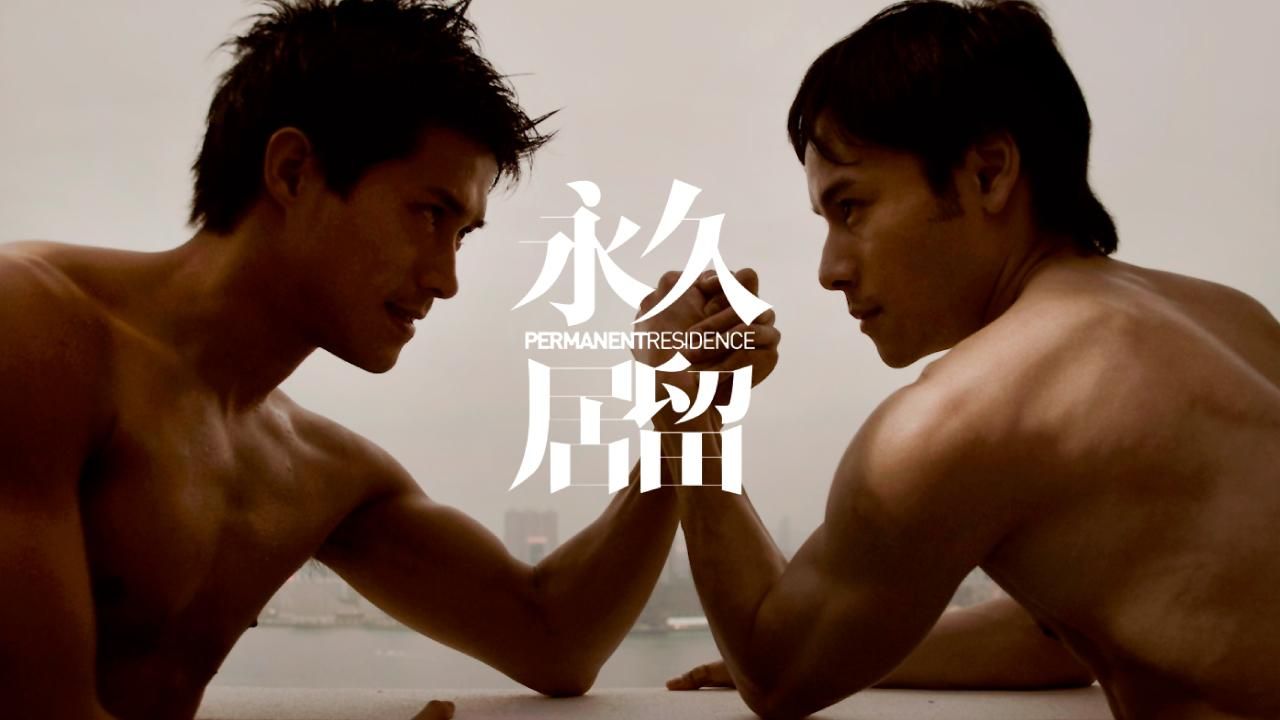
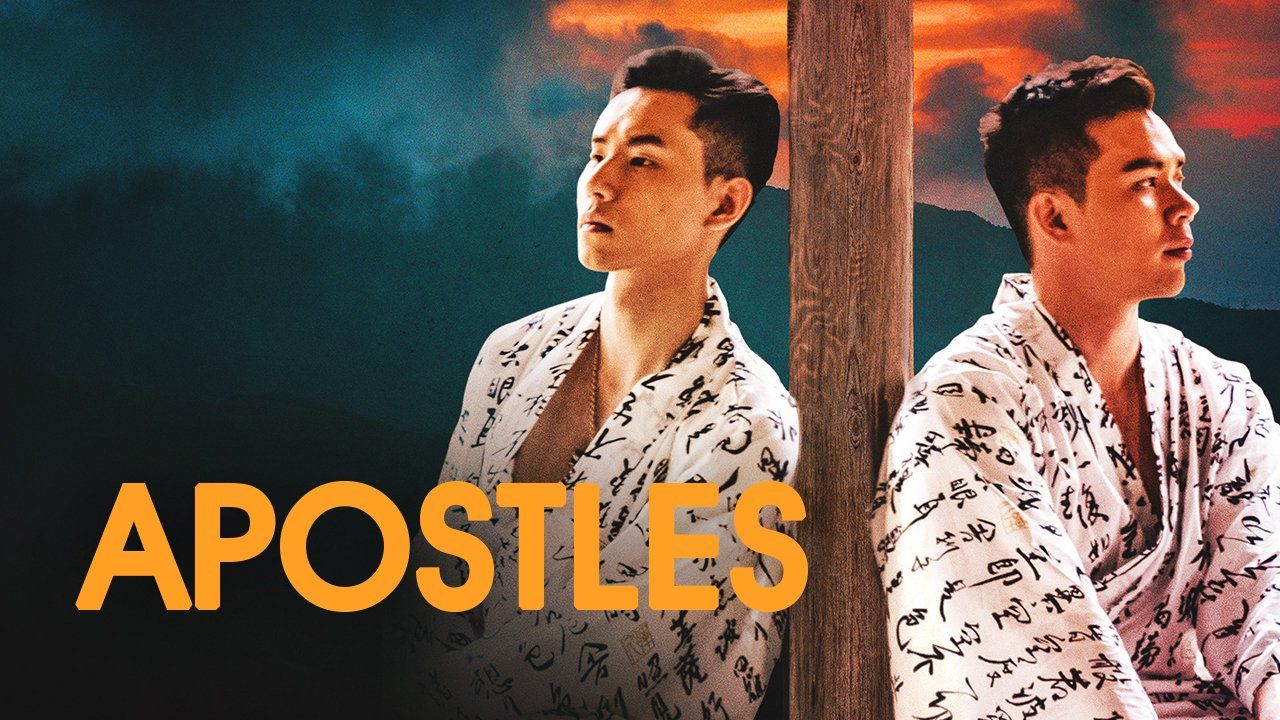
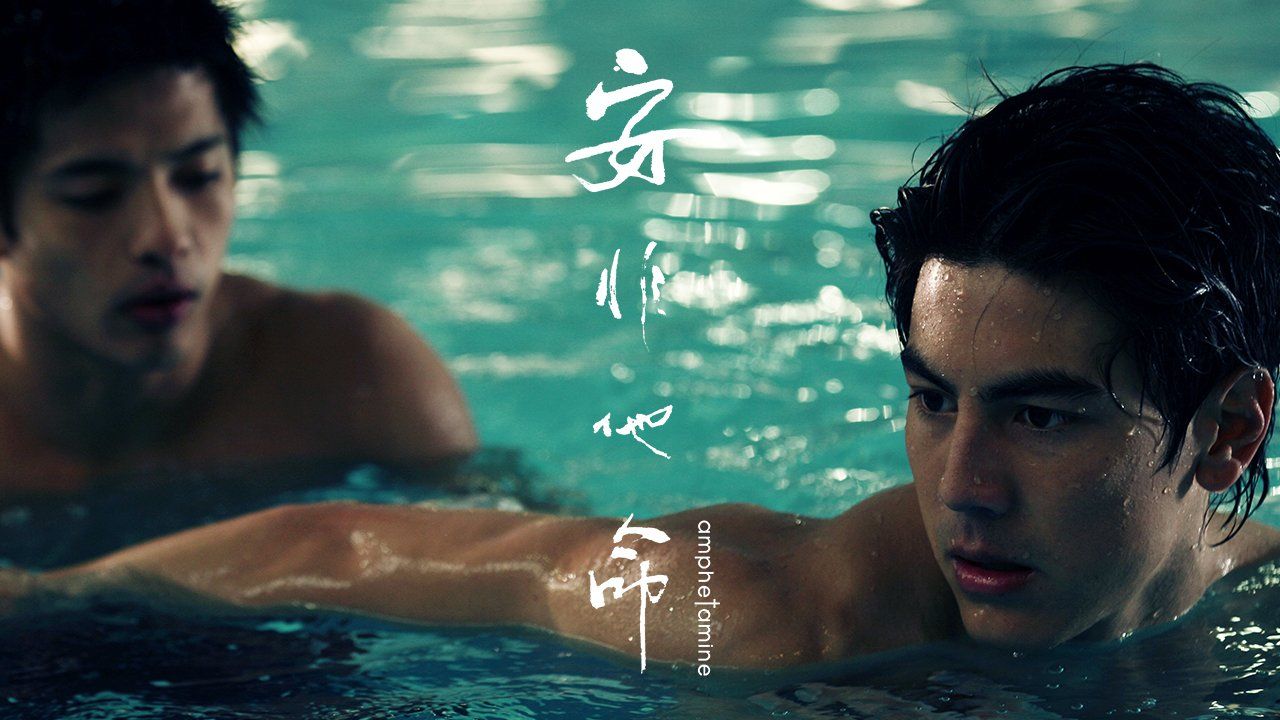
Ivan in Permanent Residence, Daniel in Amphetamine, Hins in Utopians, Antonio in Apostles —
They are all intellectuals, lovers, idealists, or melancholics. All are in some way his surrogates. His films are not just about characters; they are about versions of himself in different emotional states.
2️⃣ His Trinity: Autobiography × Eroticism × Death
Scud doesn’t tell stories. He documents existential crisis.
Each film wrestles with mortality, unreturned love, or suicide — not as plot devices, but as personal truths.
"Every film I make, I imagine it as my last," Scud once said.
3️⃣ Nudity Is Not Arousal — It’s Truth
Scud uses nudity like a scalpel.
The naked body is not fetishized, but exposed — as a site of trauma, shame, power, and memory.
“To show the body,” Scud implies, “is to bear the soul’s weight.”
4️⃣ Repetition of Names, Places, and Emotional Triggers
- He reuses names like Ivan, Josh, Daniel across films.
- His characters often wander coastlines, graveyards, or secluded villas.
- Death rituals, nude confessions, and existential monologues recur constantly.
These are not lazy habits — they’re his stylistic fingerprints, like motifs in a poem.
5️⃣ Cinema as a Life Blueprint
In Permanent Residence, he designs his own coffin.
In Voyage, he processes suicidal thoughts.
In Apostles, he stages a philosophical retreat about death.
Scud doesn’t just make movies — he rehearses his life (and death) on camera. Every film is a cinematic will, a letter to himself, and a public eulogy in advance.
🌏 Why Scud’s “Difference” Becomes His Power
While mainstream BL leans into romance and feel-good fantasy, Scud offers raw, painful, and often uncomfortable truths.
He doesn’t seek approval, nor does he soften his messages. His films are banned, protested, celebrated — but never ignored.
Scud doesn’t speak for all queer directors.
But he dares to say what many would never film — and that makes him essential.